By rehearsing every path a payment will take before a real cardholder takes it. Teams simulate terminals, token services, and card flows in a test environment, compare each result with what the specification expects, fix what differs, and agree on go-live criteria in writing. Peak volume then meets a launch that has already been tried.
Why test before peak rather than during it?
Because peak is the moment a problem costs the most and is hardest to fix.
Holiday shopping, a hotel’s busiest weekend, a stadium on game day: these are the moments a payment program exists for. They are also the moments when teams are least able to change anything, and when a cardholder who has one bad experience at the till is least forgiving. The time to find out how a launch behaves under pressure is before the pressure arrives.
The bar for what has to be tested and documented also keeps rising. The future-dated requirements in version 4 of the Payment Card Industry Data Security Standard (PCI DSS) became mandatory on March 31, 2025 (PCI Security Standards Council, October 10, 2024). Testing is no longer only a quality step. It is part of how a program shows it is ready.
What is EMV testing?
EMV testing confirms that a card, or a card held in a phone, behaves exactly as the chip card specifications say it should when it meets a terminal.
EMV, named for Europay, Mastercard, and Visa, is the global standard for chip card payments, and a contactless tap from a phone follows the same rules. A test checks that the right card data is sent, that the one-time code proving the card is genuine is produced correctly, and that the terminal and the card respond to each other as expected, including when a transaction is declined or interrupted.
It helps to separate two kinds of testing. Formal certification is run with the card networks and approved test labs, and it is the final gate. Before that comes the testing teams do themselves, again and again, so that the formal stage confirms a launch rather than discovering problems in it. Test Tools is built for that second kind: the rehearsal.
How do teams simulate terminals and token services before go-live?
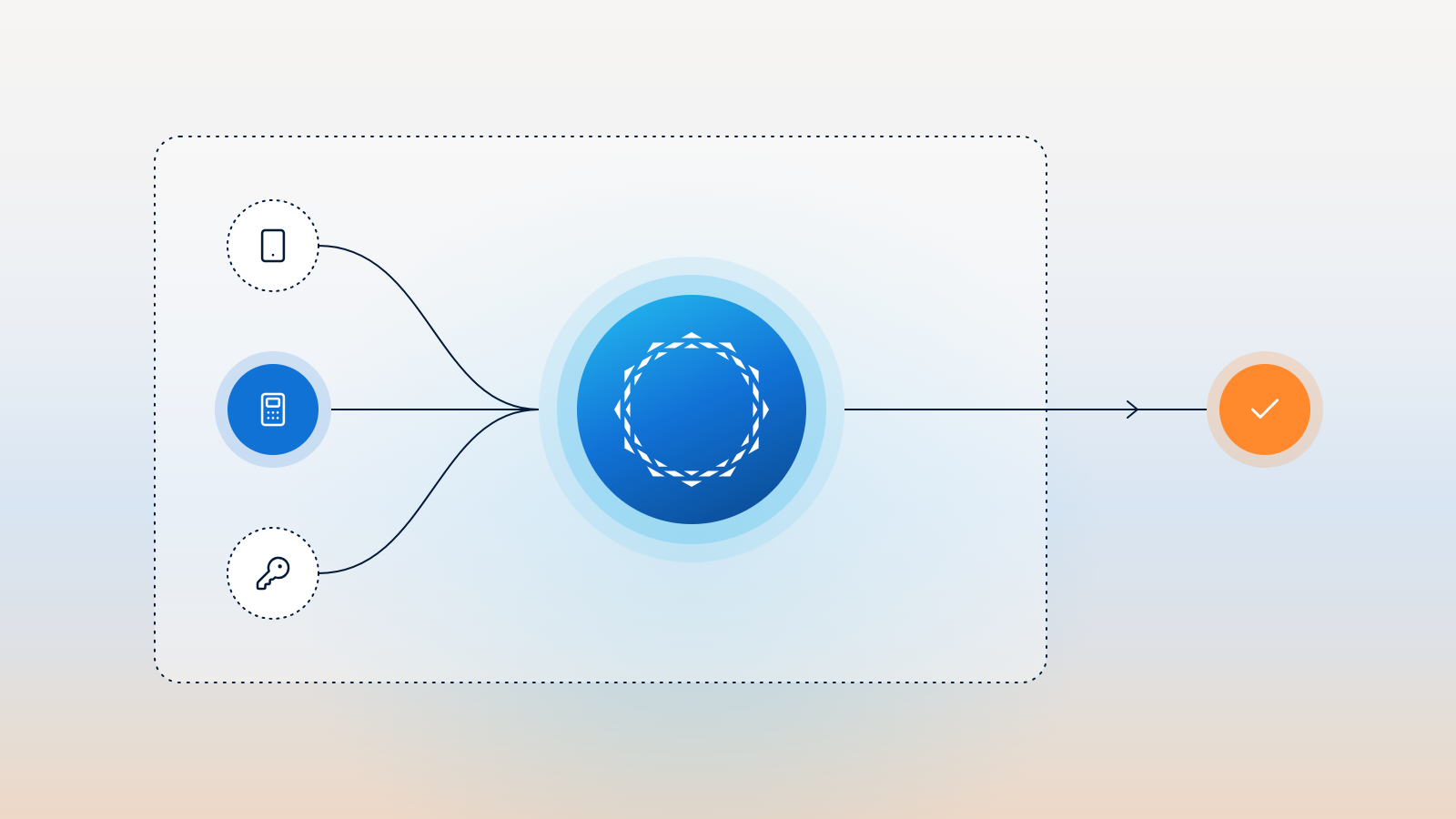
By replacing each real system with a stand-in that behaves the same way, inside a test environment that touches nothing live.
A simulated terminal is software that acts like a checkout terminal, a fuel pump, or a door reader, sending and receiving the same messages a real one would. It lets a team run hundreds of taps, including the awkward ones, without a lab full of hardware. Because the same script can be run again after every change, a fix in one place can be confirmed not to have broken another.
A simulated token service does the same for the step that happens before any tap. When a card is provisioned, meaning placed with its keys into the secure hardware of a phone, the card network’s token service issues a token, a stand-in value that protects the real card number. Simulating that service lets teams test provisioning and the events that follow it, such as suspending a card when a phone is lost or replacing it when the card is reissued.
Together these make up a sandbox, a test environment that simulates provisioning and transactions. It is a rehearsal, not production, and saying so plainly keeps everyone honest about what a passed test means. Test Tools gives teams simulated terminals and card flows before go-live, so issuers, retailers, and their partners can watch the same transaction move through each step and agree on what “working” looks like.
What should a pre-launch test plan cover?
Every path a cardholder can take, every event that can happen after day one, and the conditions for saying yes to launch.
Start with provisioning on each device the program supports, such as iPhone, Apple Watch, and Android phones. Then the transaction types the program will see: a tap at a terminal, a purchase in the app, a refund, a reversal, and, for fuel and hotels, a hold that is adjusted when the final amount is known. Add the lifecycle events that follow launch: a card suspended, resumed, replaced, and expired.
Include the unhappy paths. A terminal that times out and sends the same request twice should produce one payment and one reward, not two. The keys that protect card data should be loaded and used correctly in the test environment, with test keys kept strictly apart from production keys.
Test at the volume the program expects on its busiest day, not only once per path. A flow that works for one tap should be shown to work for many arriving together, because that is exactly what peak looks like.
Finish with go-live criteria written down before testing ends: what must pass, what is accepted as a known limit, and who signs off on each side. A plan that ends with an agreed list turns the launch decision into a check rather than a debate.
Where do training and consultancy fit?
At the start, because testing moves fastest when everyone uses the same words for the same things.
Training and Consultancy helps issuer, retailer, and partner teams agree on terms such as provisioning, token, and Secure Element, and on who owns each step. Many organizations begin with a TCT engagement, meaning Training, Consultancy, and Test Tools, before adding platform modules. It builds the shared understanding that makes a test plan quick to write and quick to run. Planned this way, programs typically run six to twelve months from planning to launch.
Where to go next
Test Tools and Training and Consultancy are part of PayCloud Provision™, built on Provision-Once Architecture™, where a credential is provisioned once and managed through every change that follows.
Related: How can fuel and convenience retailers combine payment and loyalty in one tap?
Provisioned once. Trusted everywhere. One secure infrastructure for payments, access, identity, and loyalty.
Frequently asked questions
What is EMV testing?
EMV testing confirms that a chip card, or a card held in a phone, sends the right data, produces a valid one-time code, and responds correctly at a terminal, including when a transaction is declined or interrupted.
How do teams simulate terminals and token services before go-live?
They use software stand-ins inside a test environment: a simulated terminal that sends the same messages as a real one, and a simulated token service that issues test tokens and handles lifecycle events, so nothing live is touched.
What should a pre-launch test plan cover?
Provisioning on every supported device, every transaction type, lifecycle events such as suspend and replace, unhappy paths such as retries and timeouts, key handling, and written go-live criteria with named sign-off.
Is a sandbox the same as certification?
No. A sandbox is a rehearsal that simulates provisioning and transactions. Formal certification is a separate process run with the card networks and approved labs.
Sources