By linking the reward to the payment card instead of to a separate loyalty card or code. The driver taps once to pay, the program recognizes the card behind that payment, and points are credited from the same transaction. There is nothing extra to scan, and the same balance follows the driver into the store.
Why does one tap matter so much at the pump?
Because the forecourt is the shortest, least patient moment in retail, and loyalty only works if it fits inside it.
A driver at the pump is standing outside, often in the cold or the rain, and wants to be back on the road. Every step added to that moment is a step that can be skipped: opening an app, finding a barcode, typing a phone number into a keypad. When earning takes effort, members earn less often, and a program that is rarely used is hard to justify.
The stakes are real. According to the 2025 NACS Convenience Voices survey, nearly one third of consumers say they choose a specific convenience store because of its loyalty program (NACS, September 14, 2026). Loyalty is part of why a driver pulls in. Making it effortless at the pump is how a retailer turns that reason into a habit.
How do fuel apps link payment and rewards?
Through card-linked loyalty: the member links a payment card once, and from then on the payment itself identifies them.
The member adds a card to their account in the retailer’s app, a single step at enrollment. After that, whenever that card is used, the loyalty program recognizes the purchase as theirs and credits points automatically. There is no loyalty card to present at the pump and no code to remember. The tap that pays is the tap that earns.
When the card is tapped from a phone, one more detail matters. The phone does not send the real card number. It sends a token, a stand-in value that protects the card number, and the token on a phone is different from the token used online. PAR, the Payment Account Reference, is a value that links every token back to the same underlying card. It is what lets a card-linked program recognize the same member whether they tap a phone at the pump, use the physical card inside, or pay in the app.
On iPhone and Apple Watch, the retailer’s or the issuing bank’s card can be placed into the Secure Element, the tamper-resistant chip inside the device, which is the path Apple SE TSM is built for. The driver taps with a card the program already knows, under a brand they already trust.
What happens at the pump, step by step?
The payment and the points come from the same transaction, in the order the pump actually works.
When the driver taps, the pump sends a pre-authorization, a hold for an amount set before fueling begins, because nobody yet knows how much fuel will go in. The driver fills the tank. When the nozzle goes back, the transaction completes for the actual amount and the hold is adjusted to match.
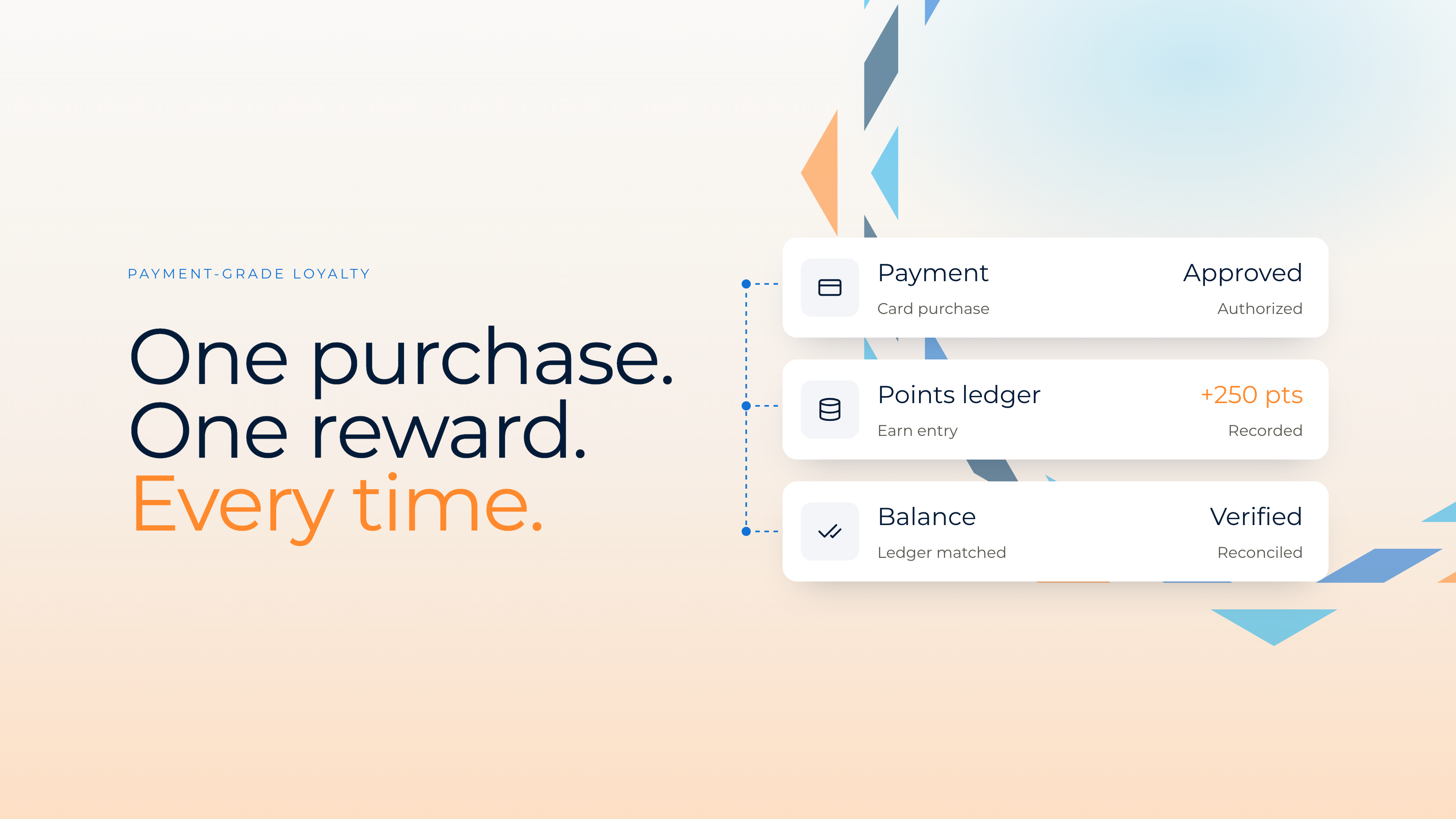
Points are credited from that completed transaction, not from the hold. That keeps the reward accurate: the driver earns on the fuel they bought, not on an estimate. Recorded properly, every point issued is matched to the purchase that earned it, which is the discipline we covered in last week’s article on loyalty ledgers.
What is a payment switch?
A payment switch is the engine that routes each card transaction to the right place for approval and keeps the record of what was approved and settled.
Payment Switch, PayCloud’s configuration-driven issuing switch, routes transactions by card range at the BIN level, meaning by the Bank Identification Number, the leading digits of a card number that identify the issuer. At the end of each day it reconciles settlement, confirming that what was recorded matches what actually moved.
For fuel and convenience retailers, this matters most when the retailer issues a branded card of its own. The switch is where that card’s transactions are approved and recorded. Because Payment Switch and Loyalty Exchange run on the same platform, the transaction that clears the payment is the same record the loyalty program credits from. There is no second system to reconcile.
How do retailers keep loyalty members active?
By making earning effortless, rewards visible, and the program the same everywhere the member shops.
Effortless earning is the foundation, and card-linked loyalty provides it. A member who earns without trying keeps earning. Visibility comes next: a balance that updates soon after the purchase gives the member a reason to look, and a reason to come back.
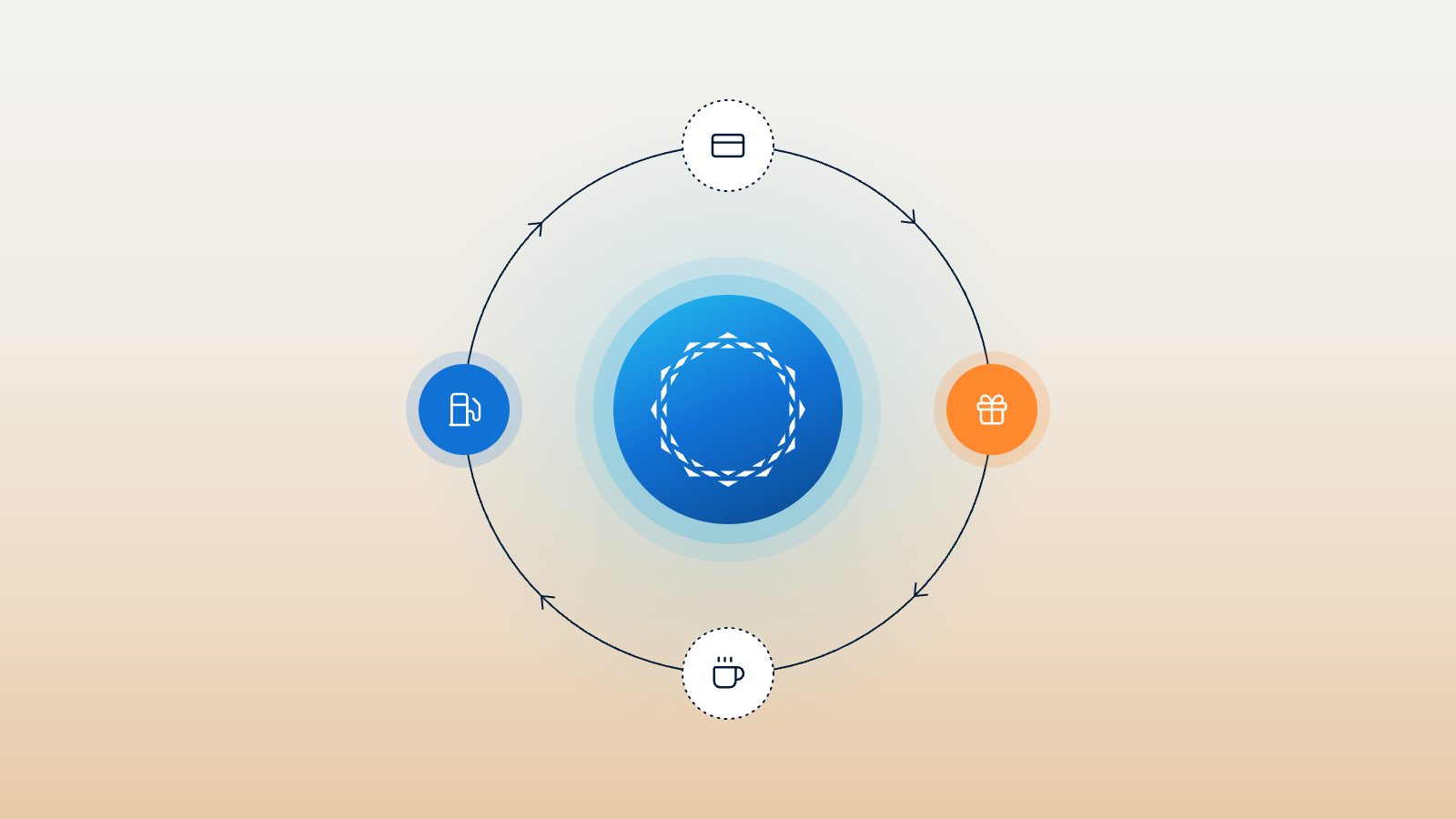
The third is reach. Fuel is often the reason for the visit, while much of the opportunity sits inside the store. A program that recognizes the same card at the pump and at the coffee counter gives the driver one member account, one balance, and a reason to walk in. Loyalty Exchange keeps that balance on a double-entry points ledger, the bookkeeping method where every movement is recorded on both sides, so every point can be traced to the purchase that earned it.
Accuracy is the quiet fourth. A member who sees the right balance every time trusts the program. A finance team that can reconcile the balance trusts it too.
What does one visit look like?
A driver pulls in on the way to work and taps their phone at the pump. The pump places a hold, the tank fills, and the transaction completes for the actual amount. Points are credited from that transaction, recognized from the card in the phone. Inside, the driver taps again for a coffee. The same card, the same member, the same balance. By the time they are back in the car, the app shows both purchases.
Nothing was scanned, typed, or remembered. The retailer kept the relationship, the driver kept moving, and the program kept an accurate record of both visits.
Where to go next
Payment Switch, Loyalty Exchange, and Apple SE TSM are part of PayCloud Provision™, built on Provision-Once Architecture™. A credential is provisioned once and managed through every change that follows, across payments, access, identity, and loyalty.
Provision. The credential is placed securely in the cardholder’s iPhone, Apple Watch, or Android phone, ready for the first tap. Manage. Updates, renewals, and pauses run from one platform, keeping credentials current without starting over. Trust. Every credential stays protected by one security approach, so cardholders and drivers tap with confidence.
Related: Why should a loyalty program be engineered like a payment system?
Provisioned once. Trusted everywhere. One secure infrastructure for payments, access, identity, and loyalty.
Frequently asked questions
How do fuel apps link payment and rewards?
Most use card-linked loyalty. The member links a payment card to their account once, and every later purchase with that card is recognized and rewarded automatically, with nothing extra to present at the pump.
What is a payment switch?
A payment switch routes each card transaction to the right place for approval and keeps the record of what was approved and settled. An issuing switch does this for the cards an organization issues, typically routing by card range and reconciling settlement daily.
How do retailers keep loyalty members active?
By making earning effortless, showing the updated balance soon after each purchase, recognizing the member at the pump and inside the store alike, and keeping every balance accurate.
Why are points credited after fueling rather than at the tap?
Because a pump transaction starts with a pre-authorization for an estimated amount. The final amount is known only when fueling ends, so crediting points from the completed transaction keeps the reward accurate.
How does a loyalty program recognize a card tapped from a phone?
A phone sends a token instead of the real card number. The Payment Account Reference (PAR) links each token back to the same underlying card, so a card-linked program can recognize the member across phone, card, and app payments.
Sources